Corrosion Classes & Surface Treatments
The life expectancy of a cable support system is dependent on the environment in which it is placed. Therefore, it is important to establish the corrosive properties of an environment to ensure that the right treatment and the right material are chosen. Do not use a component finish above the corrosion class targeted.
- Classified per SS-EN ISO 12944-2
- 8 surface treatments & materials
We briefly outline the various surface treatments and materials. As regards environmental corrosion, a steel design component can usually be assigned to one of the corrosion classes (C1 to CX) as shown in table A. Reference values for the average level of corrosion in steel and zinc are given in table B. The corrosion classes comply with those stipulated in SS-EN ISO 12944-2.
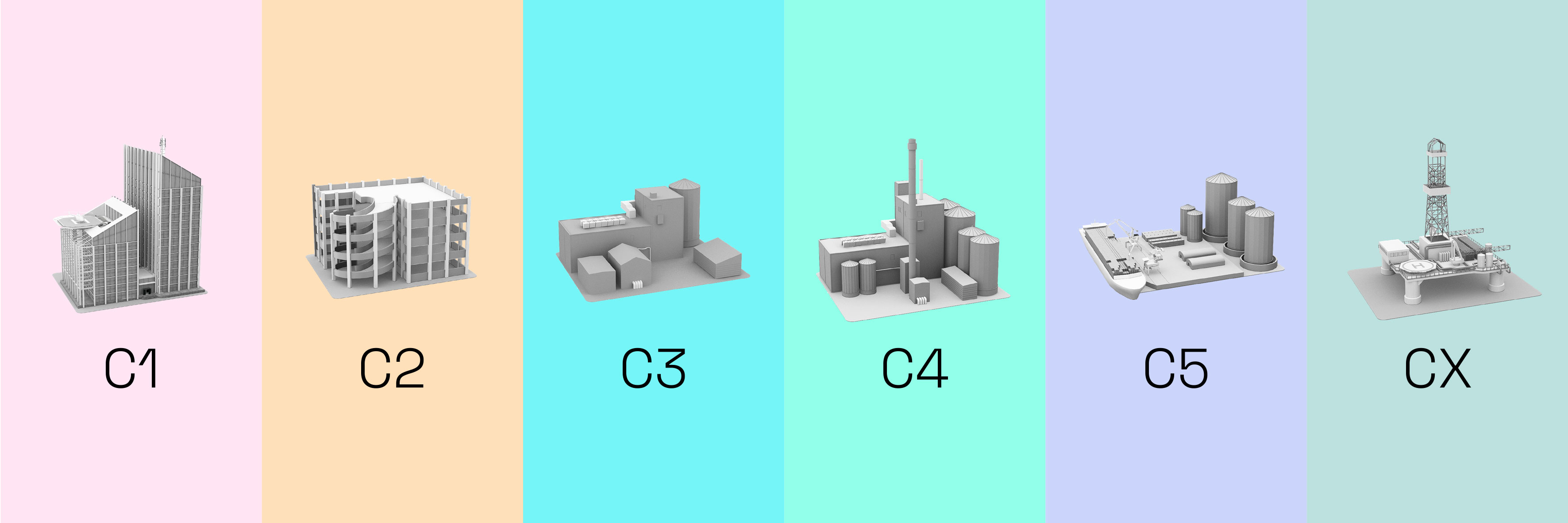
C1 to CX at a glance
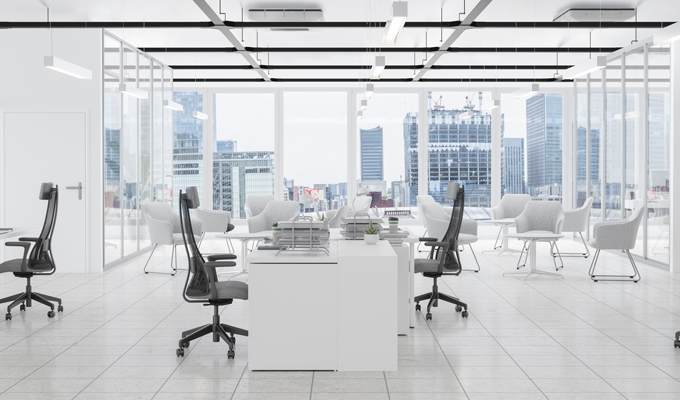
Electro-galvanized
Indoor environments: Schools, shops, hotels, offices, sports halls etc.
 Very low environmental corrosion.
- Heated areas.
- Arid atmosphere.
- Insignificant quantities of pollutant.
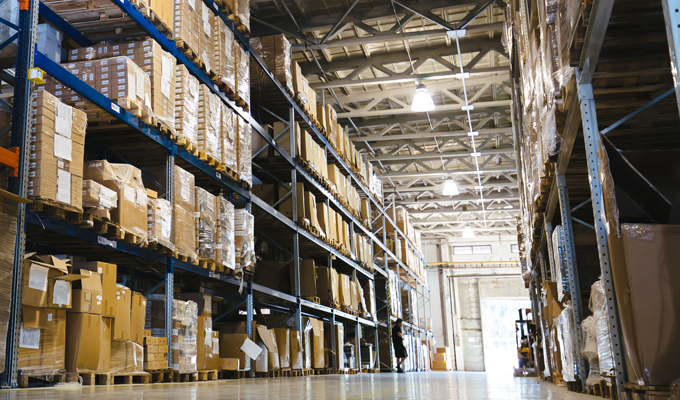
Pre-galvanized
Partly outdoor environments: Industries, sports halls, warehouses, shops, rural outdoor areas etc.
- Very low environmental corrosion.
- Non-heated areas with fluctuating levels of temperature and humidity.
- Few instances of condensation and low levels of airborne pollution.
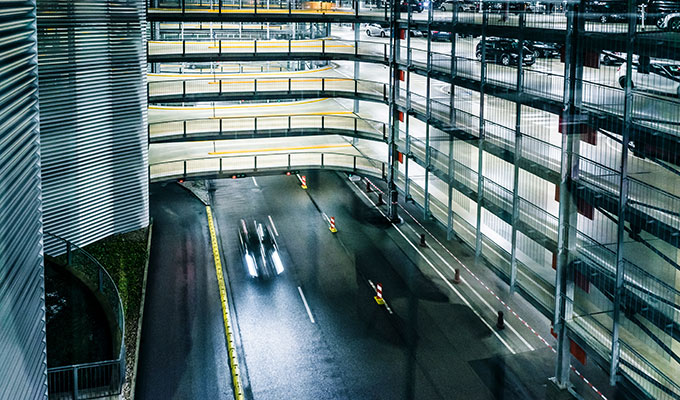
Hot-dip galvanized and Zinc+
Indoor- and outdoor environments: Urban and light industrial areas, breweries, dairies, laundries etc.
- Average environmental corrosion.
- Areas with average levels of humidity and some airborne pollution caused by production processes.
- Atmospheres containing some salt or average levels of airborne pollution.
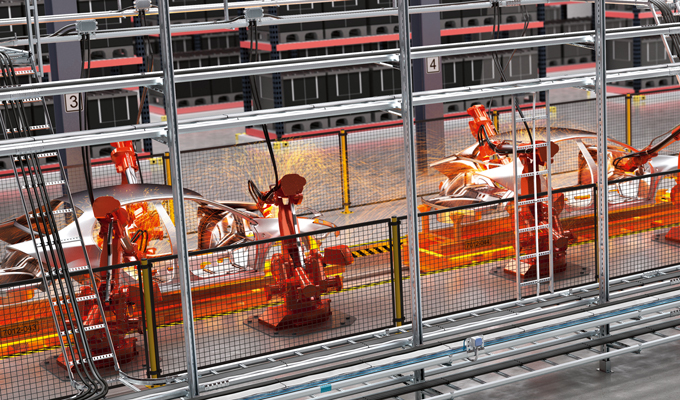
Hot-dip galvanized and Zinc+
Indoor- and outdoor environments: Chemical plants, industrial and coastal areas, swimming pools, farms, dockyards etc.
- High environmental corrosion.
- Areas with high levels of humidity and considerable airborne pollution.
- Atmospheres with average salt content or discernible levels of airborne pollution.
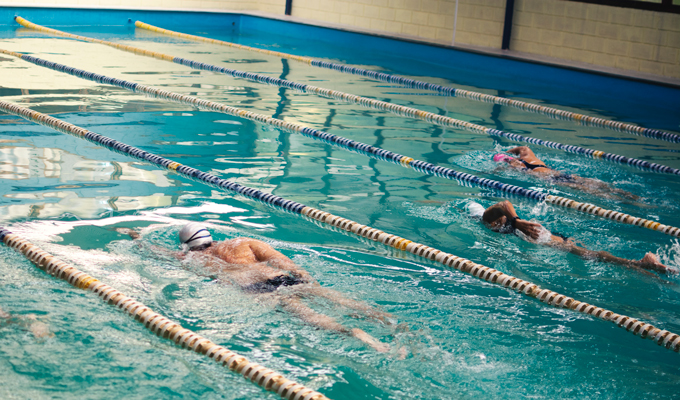
Zinkpox® / Stainless steel AISI 304
Indoor- and outdoor environments: Chemical and heavy industries, tunnels, swimming pools, dockyards etc.
- Very high (industrial) environmental corrosion.
- Areas with almost permanent condensation, large quantities of airborne pollution, high levels of humidity and aggressive atmospheres.
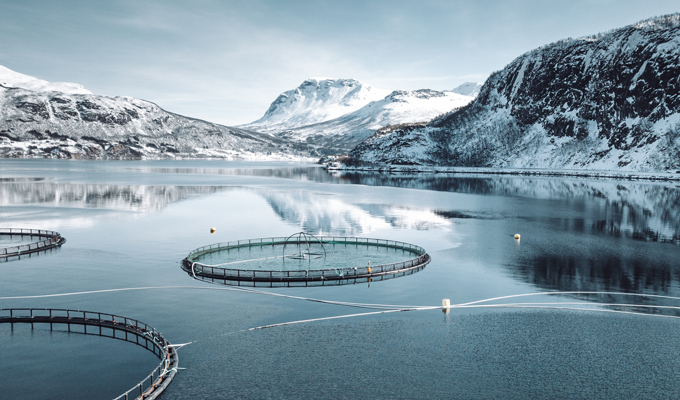
Stainless steel AISI 316L and GRP
Indoor- and outdoor environments: Heavy industries, coastal and offshore areas, purifying plants etc.
- Very high (marine) environmental corrosion.
- Areas with almost permanent condensation and large quantities of airborne pollution. Atmospheres with high salt content.
Table A
Corrosion classes as stipulated by SS-EN ISO 12944-2 with atmospheric corrosion levels and examples of the environment in which they are most suitable for use.
| Corrosion class | Environmental corrosion | Examples of typical environments in temperate climates (informative) | Wibe Group designation | ||
|---|---|---|---|---|---|
| Outdoors | Indoors | ||||
| C1 | Very low | Heated areas with arid atmosphere and insignificant quantities of pollutant, e.g. offices, shops, schools and hotels. | Electro-galvanized DIN 50961/ISO 2081 |
||
| C2 | Low | Atmospheres with low levels of airborne pollution. Rural areas. | Non-heated areas with fluctuating levels of temperature and humidity. Few instances of condensation and low levels of airborne pollution, e.g. sports halls and warehouses. | Pre-galvanized Z 275 in accordance with EN 10346 |
|
| C3 | Average | Atmospheres containing some salt or average levels of airborne pollution. Urban and light industrial areas. Areas affected by coastal conditions. | Areas with average levels of humidity and some airborne pollution resulting from production processes, e.g. breweries, dairies, laundries. | Hot-dip galvanized after manufacture in accordance with EN-ISO 1461 | Zinc+ coating |
| C4 | High | Atmospheres with average salt content or discernible levels of airborne pollution. Industrial and coastal areas. | Areas of high humidity and considerable airborne pollution as the result of production processes, e.g. chemical plants, swimming pools and dockyards. | ||
| C5 | Very high | Industrial areas with high humidity and aggressive atmosphere, and coastal areas with high salinity. | Buildings with almost permanent condensation and with high pollution. | Zinkpox® HDG+powder coating |
|
| Stainless steel EN 1.4301/AISI 304 |
|||||
| CX | Extreme | Offshore areas with high salinity, industrial areas with extreme humidity, and aggressive atmospheres, sub-tropical or tropical atmospheres. | Industrial buildings with extreme humidity and aggressive atmosphere. | Stainless steel EN 1.4404/AISI 316L GRP |
|
Table B
Mass losses for zinc in various corrosion classes.
| Corrosion class | Mass loss per surface unit and thickness reduction (1 year of exposure) | |
|---|---|---|
| Zinc | ||
| Mass loss (g/m2) | Thickness reduction (μm) | |
| C1 | < 0.7 | < 0.1 |
| C2 | > 0.7 to 5 | > 0.1 to 0.7 |
| C3 | > 5 to 15 | > 0.7 to 2.1 |
| C4 | > 15 to 30 | > 2.1 to 4.2 |
| C5 | > 30 to 60 | > 4.2 to 8.4 |
| CX | > 60 to 180 | > 8.4 to 25 |
*Corrosion speed is generally higher when the material is first exposed.
Surface treatments
Products manufactured in accordance with AISI 304 acc. to ASTM / 1.4301 acc. to EN 10088-3 or /AISI 316L acc. to ASTM / 1.4404 acc. to EN 10088-3 are designed for use in highly aggressive environments, either indoors or outdoors, on industrial sites where there are high levels of potent airborne pollution such as in certain chemical industries, cellulose-related industries, refineries or artificial fertilizer factories, high humidity tunnels, etc. Stainless steel products are also ideal for use in environments where special hygiene requirements are in force, such as dairies, abattoirs, other food industries and pharmaceutical factories.
The deciding factor in choosing between stainless steel AISI 304 or AISI 316L is the aggressiveness of the environment in which it is to be used, and for this atmospheric chlorine content plays a significant role. Environments with a high chlorine content, coastal areas being a prime example, are aggressive and usually require the use of AISI 316L materials. When assessing the needs of factories, consideration should be given to the materials previously used to suspend equipment such as pipe tubing, and from this determine whether stainless steel AISI 304 or AISI 316L material is required.
GRP (Glass Fibre Reinforced Polymer) is a lightweight, high-strength composite material designed for harsh environments. It offers excellent resistance to corrosion, chemicals, UV exposure and weathering, while providing long service life with minimal maintenance.
Key benefits
- Corrosion resistant
- High chemical resistance
- UV resistant
- Non-conductive electrical insulator
- Lightweight and strong
- Low maintenance
- Fire-resistant options available
- Suitable for offshore and industrial environments
- Pultruded for strength
Mita Flex GRP profiles are manufactured using a pultrusion process, combining glass fibres and resin to create strong, durable structures with consistent performance and long-term resistance to corrosion.
Resin options
Mita Flex is available with different resin types to meet specific project requirements:
- Polyester Class 1 (PC1): General industrial use with good corrosion resistance and Class 1 fire performance.
- Acrylic (AC): Low flame, smoke and toxicity properties for tunnels, transport and enclosed spaces.
- Vinylester (VE): Enhanced resistance to chemicals, fuels and marine environments.
- Anti-Static Polyester (AS): Designed for applications requiring anti-static properties.
Not sure which corrosion class applies to your project?
Our team can help you select the right corrosion class and surface treatment for your environment.
Contact Our Experts